How we select interventions

A scientific approach to reduce your body's wear and tear

85% of Sapiens clients sustain habit changes long-term and measurably improve their health. Read how it works below.


Why generic advice fails

You already know what to do, yet stress makes it hard to change

✕
Opposite stress states feel the same
An overactive and an exhausted stress hormone system need different interventions. Until you measure, you can't tell which you have.

An overactive and an exhausted stress hormone system need different interventions. Until you measure, you can't tell which you have.

✕
An exhausted hormonal system cannot absorb more effort
A drained stress system turns a new workout or diet into extra stress. Targeted neurobiological recovery comes first.

A drained stress system turns a new workout or diet into extra stress. Targeted neurobiological recovery comes first.

✕
What works on average may not work on you
Studies show what is worth trying. Only your own re-measured markers show what actually moves your biology.

Studies show what is worth trying. Only your own re-measured markers show what actually moves your biology.

✕
Stress pushes your brain back to old habits
Under chronic stress, your brain shifts to autopilot. Old routines beat good intentions.

Under chronic stress, your brain shifts to autopilot. Old routines beat good intentions.

Personalized health advice

A scientific model to select the highest-leverage interventions
STEP 1
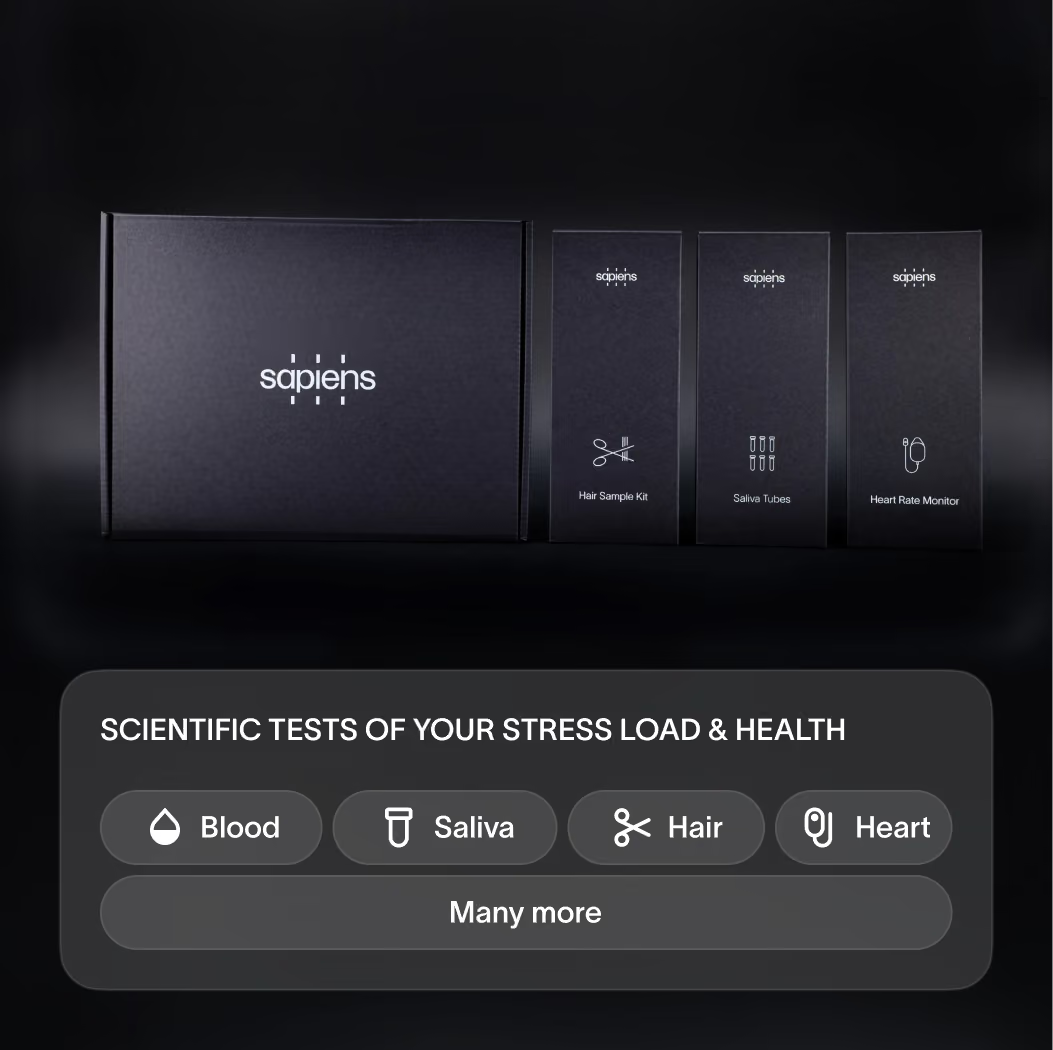
Your unique stress and health profile
Prof. Clemens Kirschbaum
STEP 2
Algorithms to quantify allostatic load
Prof. Robert Paul Juster
STEP 3
AI and physicians select interventions
Dr. Dominique Sauter Peschke
+ 5 other medical doctors
Our approach

No relentless optimization. But synchronization with your biological rhythms.

Read our founding story
Our interventions

We address bio-psycho-social elements of health

Circadian Rhythm & Sleep

Micro-Recovery

Movement

Nutrition & Nutraceuticals

Attention Regulation

Emotion Regulation & Social

How we help you change

4 steps to overcome the intention-action gap

01

Regulate

your nervous system and hormonal stress axis (HPA)

Read more
02

Reduce

the wear and tear in 5 body systems (gut, immune, ...)

Read more
03

Reinforce

habits that showed impact after re-testing

Read more
04

Raise

nervous system capacity and health of all body systems

Read more
01 Regulate

First, regulate your nervous and hormonal system
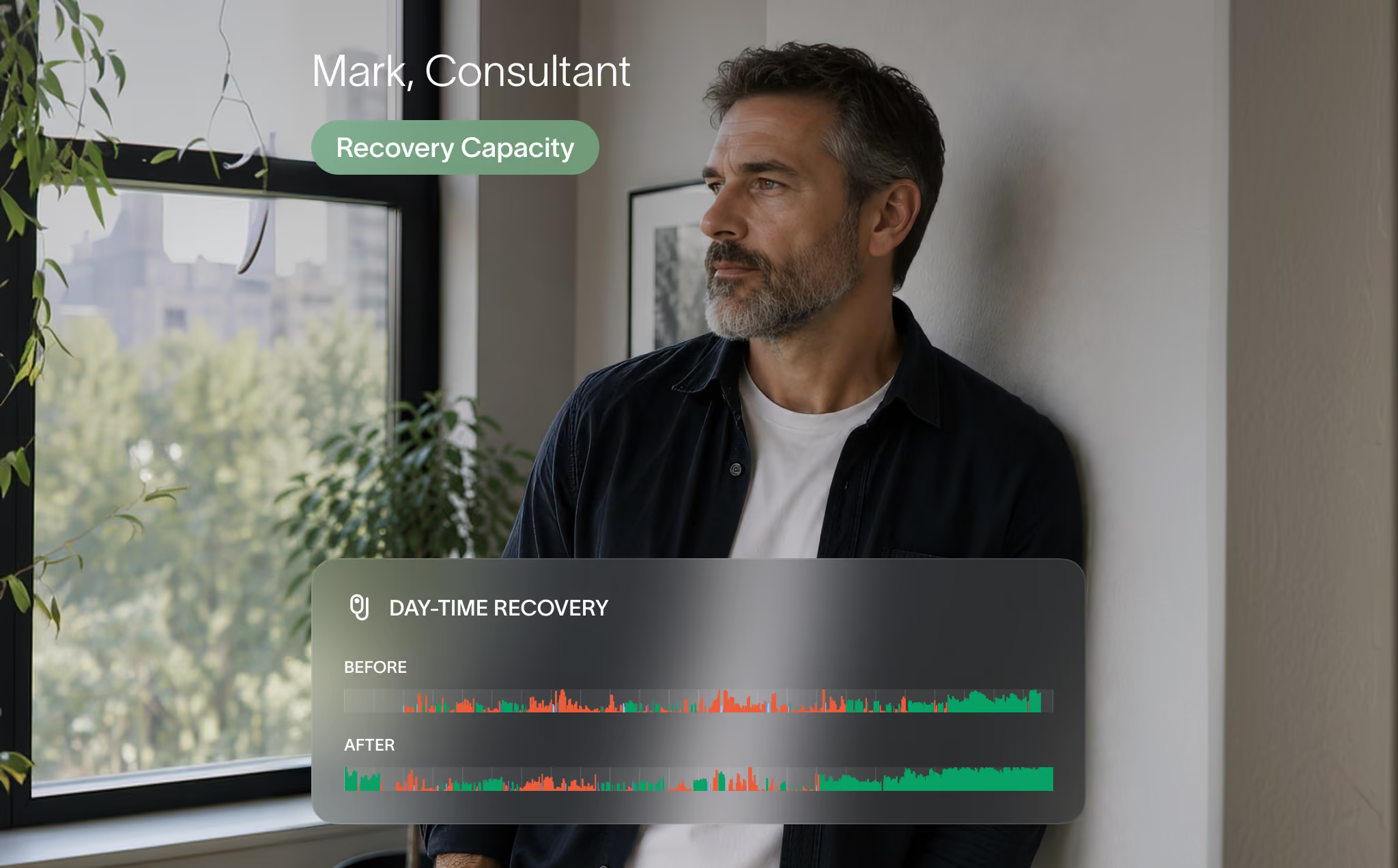
We start by addressing a dysregulated stress response as it is upstream of stress symptoms and chronic disease risks.
The stage of your hormonal dysregulation informs the intervention
Stress can show up as overactivation with elevated stress hormones, or as exhaustion with reduced stress hormones. Different hormonal profiles require different interventions like targeted nutraceuticals or tailored recovery protocols.

Stress can show up as overactivation with elevated stress hormones, or as exhaustion with reduced stress hormones. Different hormonal profiles require different interventions like targeted nutraceuticals or tailored recovery protocols.

A stable circadian rhythm is one of the first steps to reduce stress
Cortisol is meant to rise in the morning and fall at night. We use light and movement, placed at specific times, to rebuild this natural rhythm.

Cortisol is meant to rise in the morning and fall at night. We use light and movement, placed at specific times, to rebuild this natural rhythm.

We help your nervous system re-establish the ability to relax
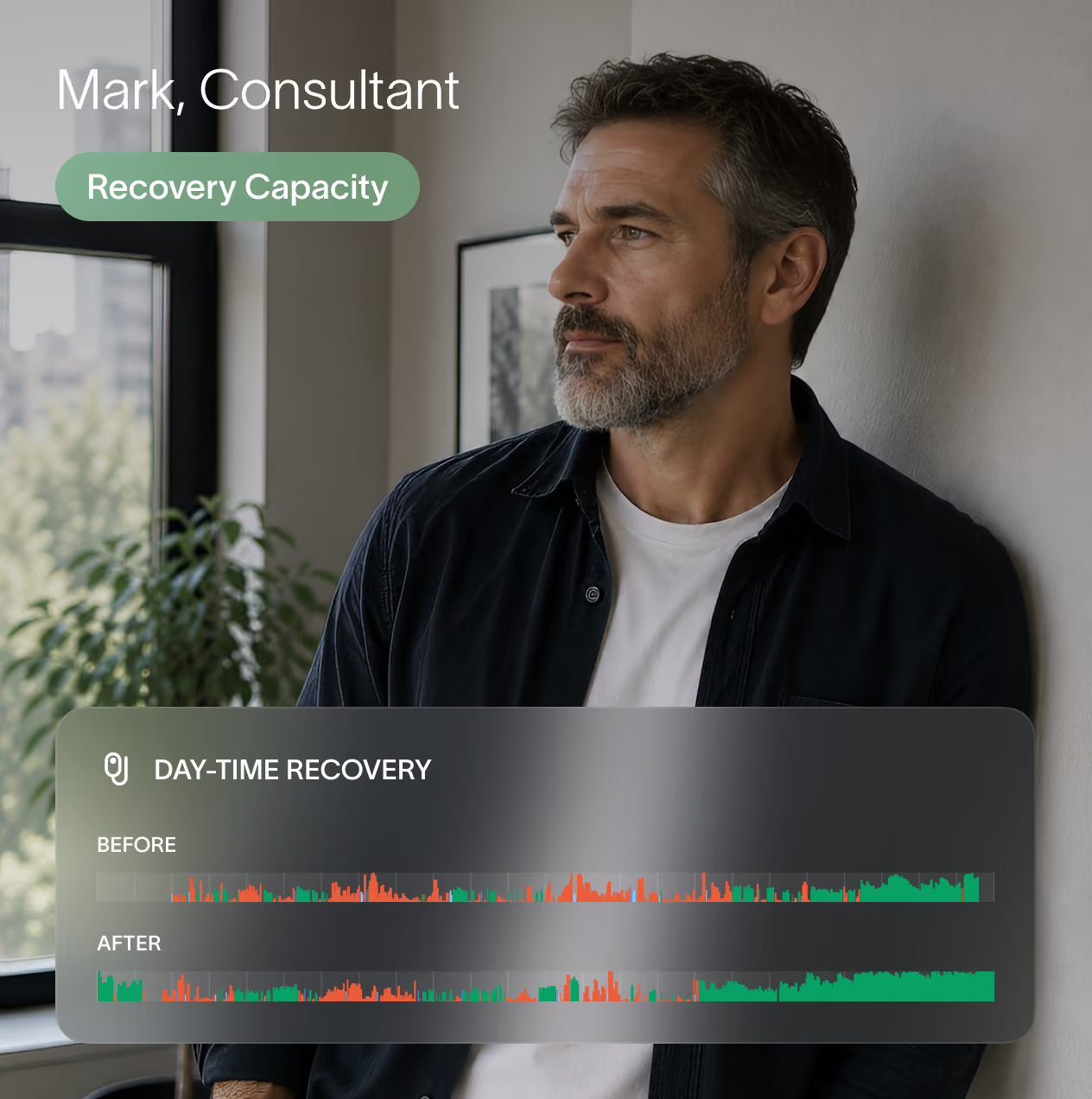
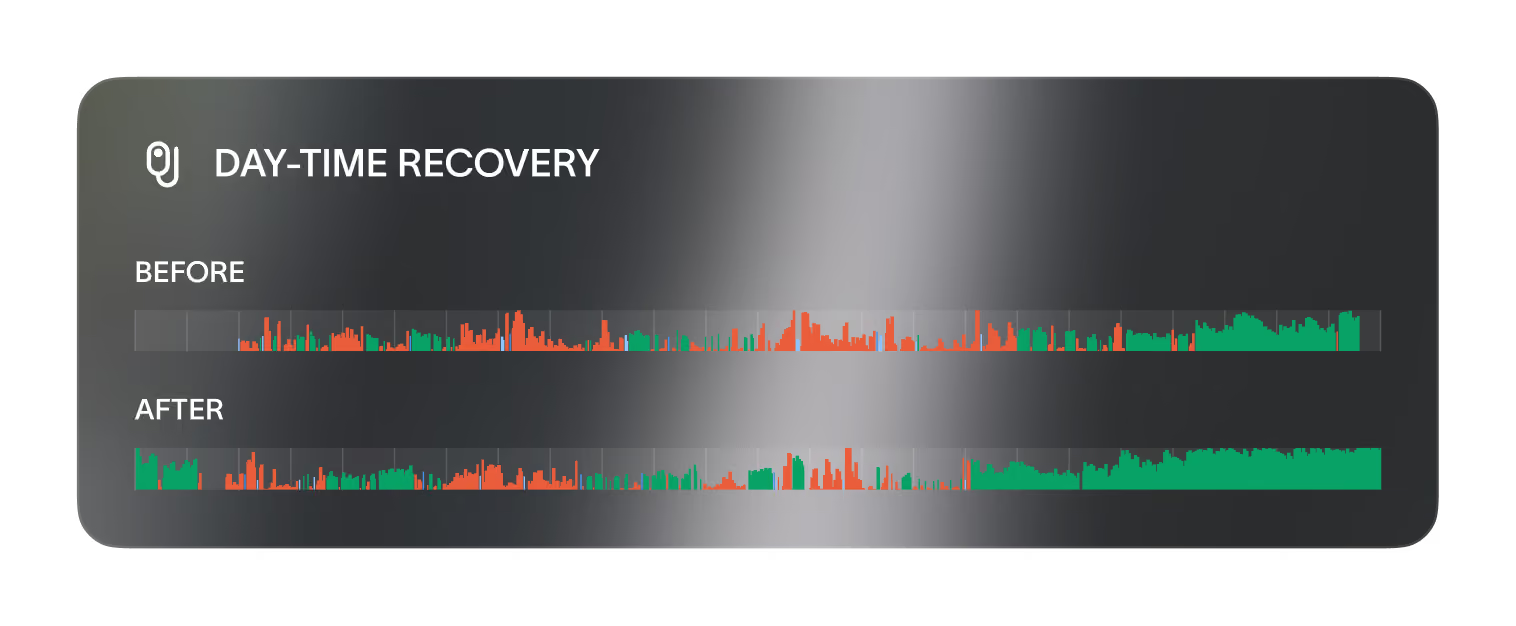
In a chronically activated system, your nervous system might be stuck in an always-on mode. We help you tailor 1-2 minute recovery protocols based on your data to re-establish your nervous system's capacity to recover.

In a chronically activated system, your nervous system might be stuck in an always-on mode. We help you tailor 1-2 minute recovery protocols based on your data to re-establish your nervous system's capacity to recover.

02 Reduce

Reduce the wear and tear in 5 body systems

Chronic stress shows up in different body systems for different people: gut issues, frequent infections, weaker metabolic health or lower back pain.
Chronic low-grade inflammation drives your body's wear and tear
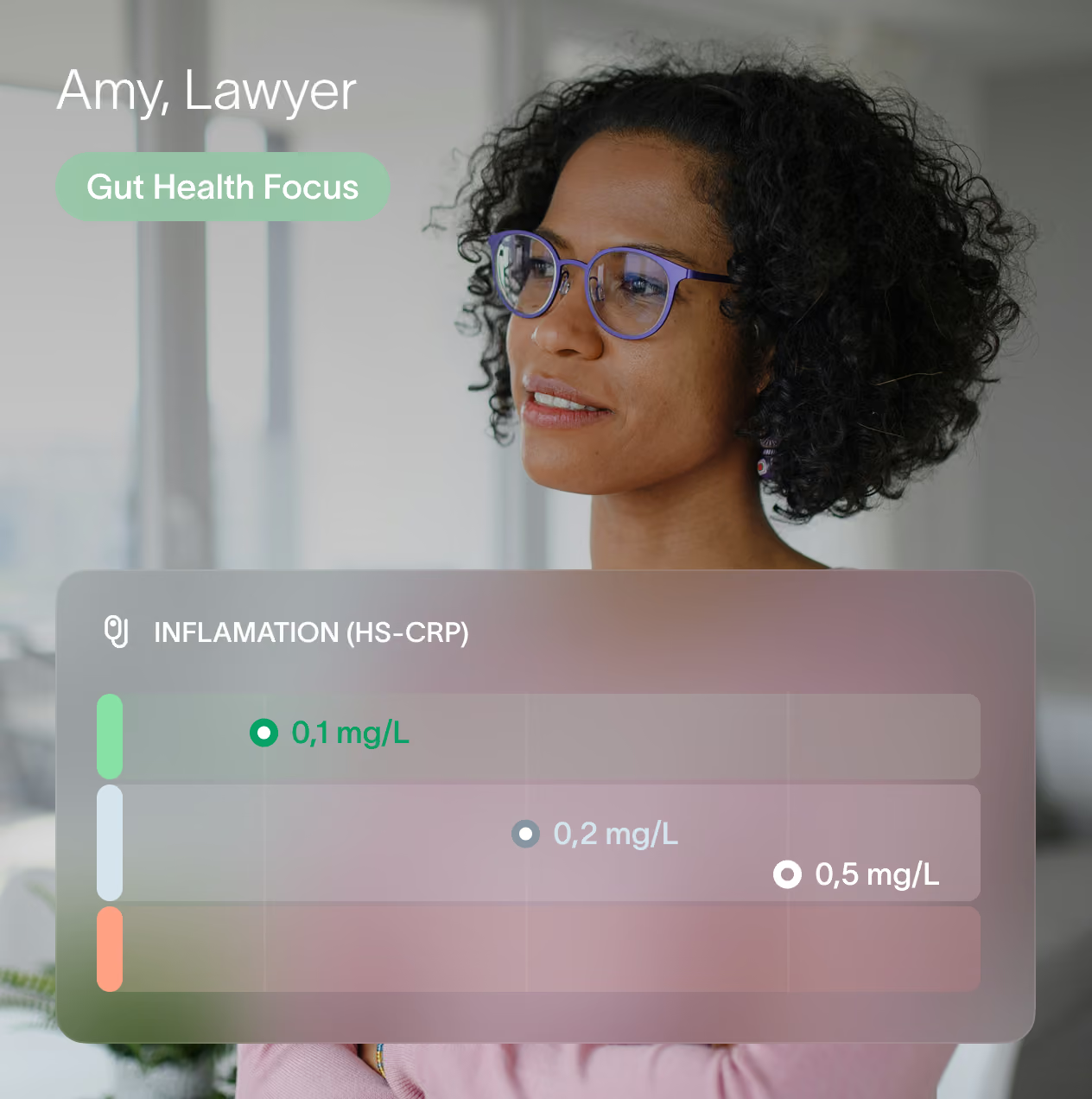
Prolonged strain is linked to increased low-grade inflammation, which can drive fatigue and the next round of strain. We measure it directly and address it early.

Prolonged strain is linked to increased low-grade inflammation, which can drive fatigue and the next round of strain. We measure it directly and address it early.

We support the body systems that are most at risk
Gut, immune, cardiometabolic, musculoskeletal or neuropsychological: we identify and support the systems most at risk before the wear and tear compounds.

Gut, immune, cardiometabolic, musculoskeletal or neuropsychological: we identify and support the systems most at risk before the wear and tear compounds.

Personalized protocols to keep your system healthy under strain
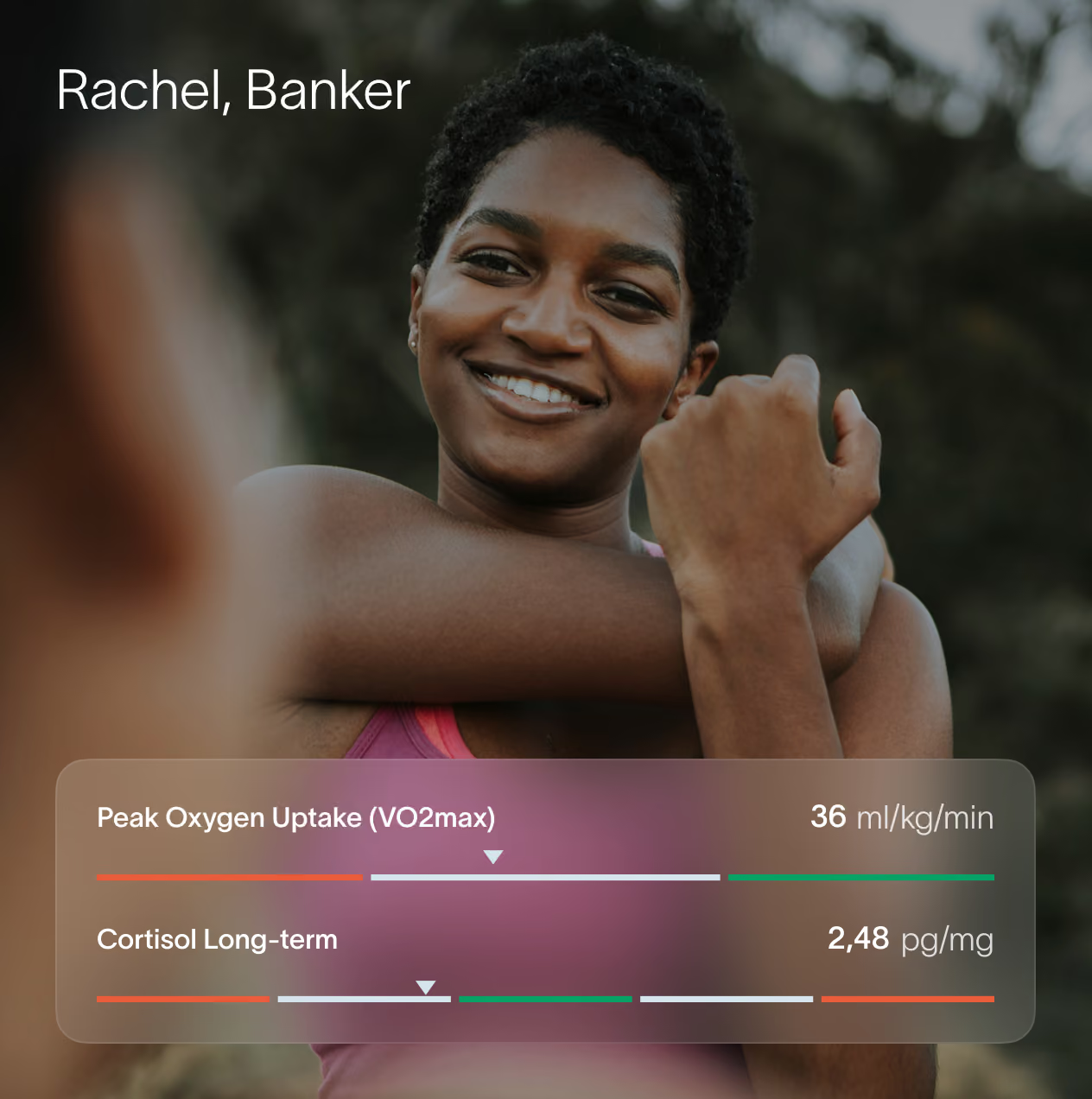
Targeted nutrition protocols stabilize your glucose, refill key micronutrients and support your gut, so you are ready for the next intense period.

Targeted nutrition protocols stabilize your glucose, refill key micronutrients and support your gut, so you are ready for the next intense period.
03 Reinforce

Reinforce the habits that show impact after follow-up testing

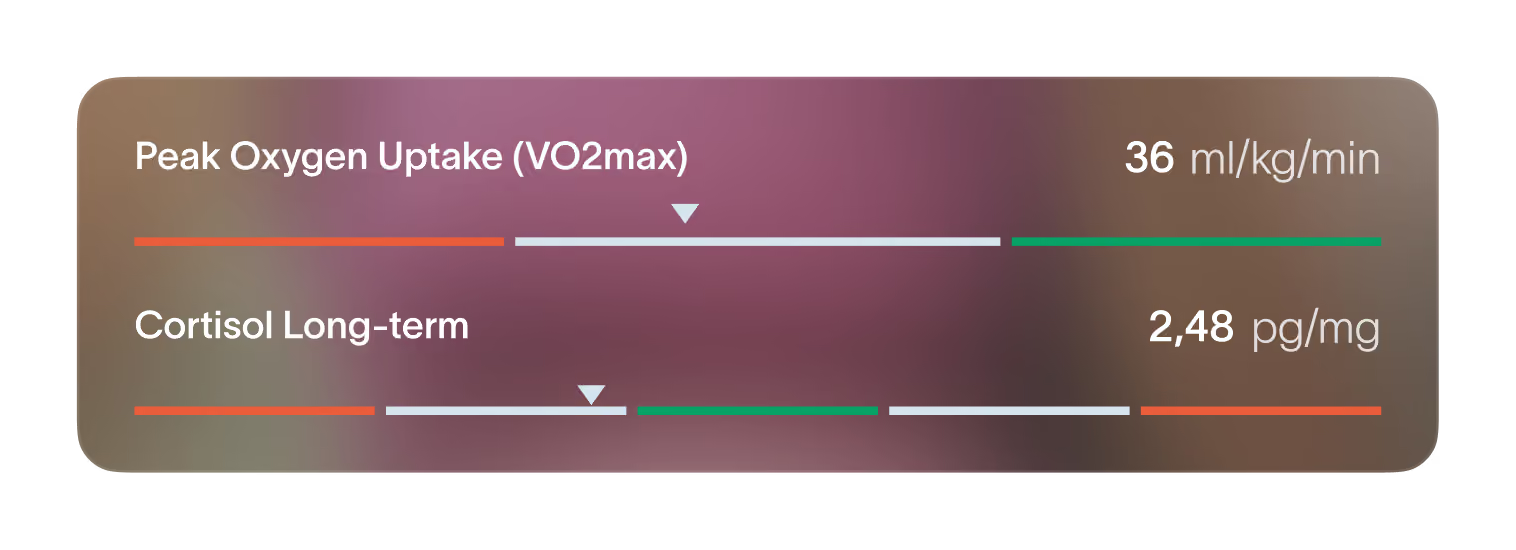
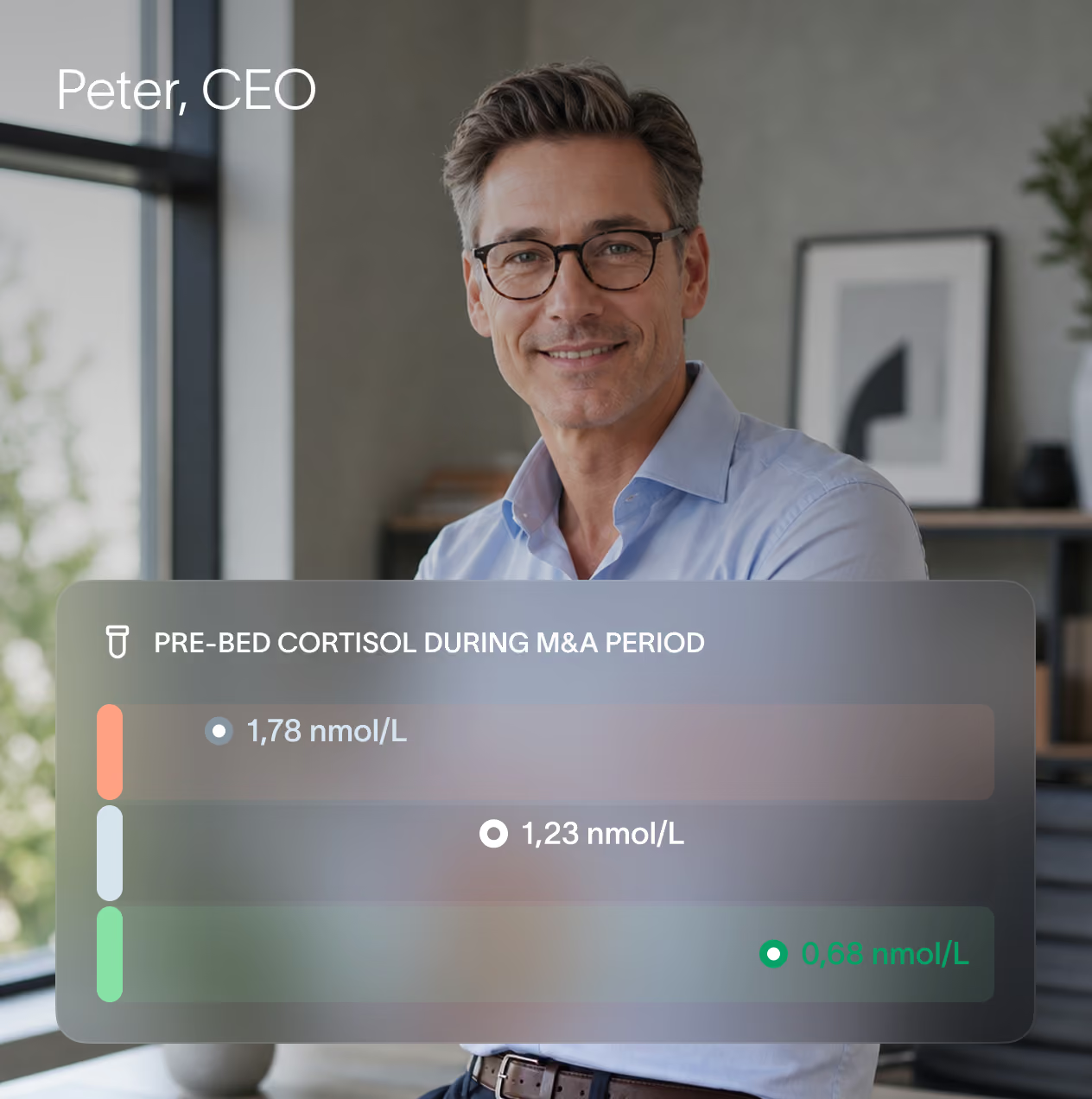
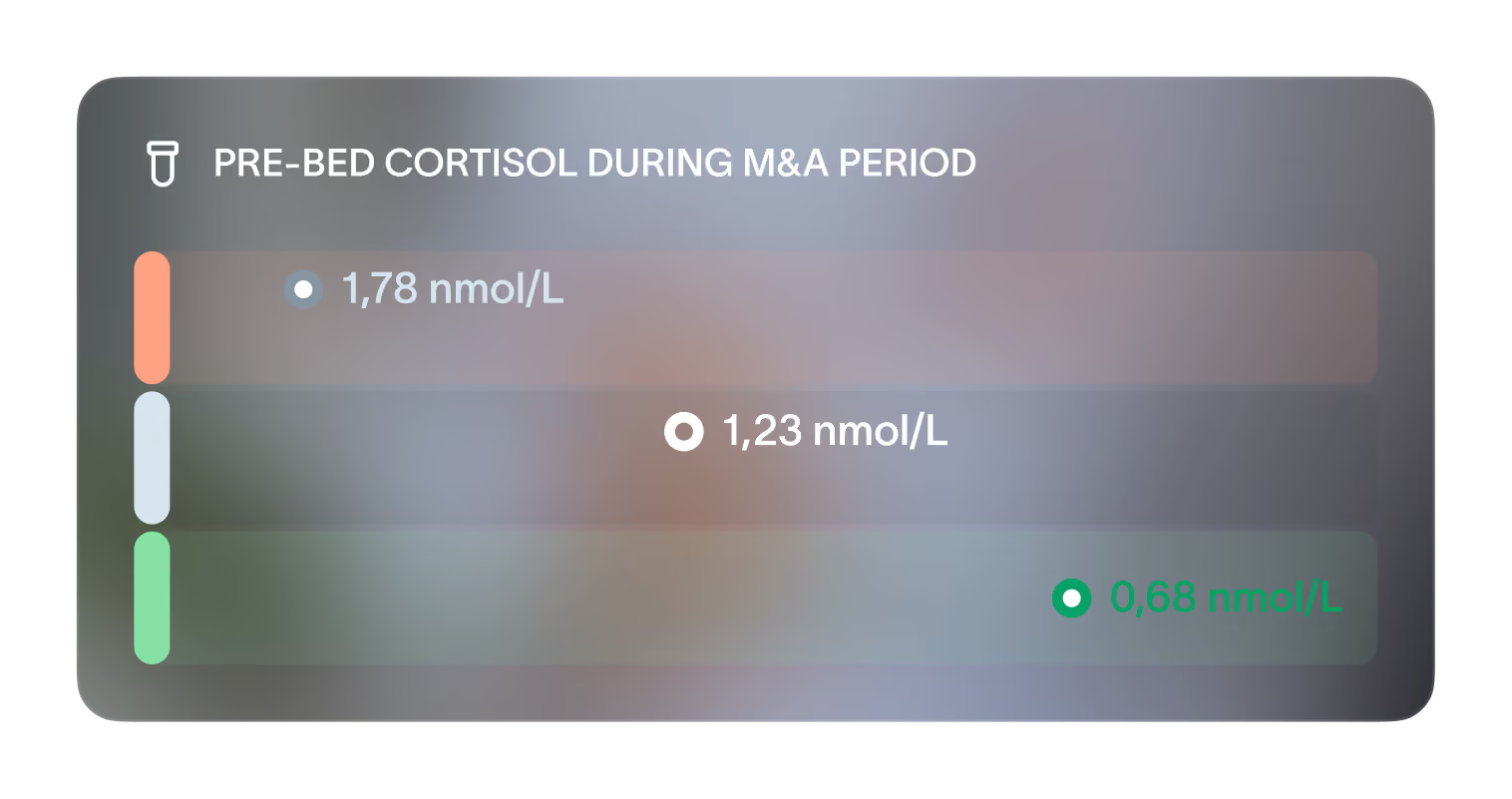
Through follow-up testing, you get objective signals on how your stress response adapts over time, so we can refine your action plan for your unique biology and context.
We help you prioritize one intervention area at a time
Based on your diagnostics, we identify the highest-leverage intervention area with 1-3 small actions. You take 5 seconds a day to track your habits, and we measure how they move your biomarkers, energy and resilience.

Based on your diagnostics, we identify the highest-leverage intervention area with 1-3 small actions. You take 5 seconds a day to track your habits, and we measure how they move your biomarkers, energy and resilience.

Subtraction usually wins over addition
We identify your biggest obstacles to health and resilience and help you remove them. This prepares your body to absorb the benefits of more advanced supplement or nutrition protocols.

We identify your biggest obstacles to health and resilience and help you remove them. This prepares your body to absorb the benefits of more advanced supplement or nutrition protocols.

The best intervention is the one you will actually do
We start with the smallest interventions that still move your biomarkers. Your time for new habits is limited, so we use data to focus on what actually makes a difference.

We start with the smallest interventions that still move your biomarkers. Your time for new habits is limited, so we use data to focus on what actually makes a difference.
04 Raise

We help you build capacity for future stress periods

Once your stress response works optimally again, we help you raise your body reserve with targeted exercise, nutrition and attention regulation protocols.
We add training load once your system is ready
When your recovery, nervous system and cortisol rhythm are back in range, we help you systematically train your capacity. Harder training, for example, rewards a regulated system, it does not fix a dysregulated one.

When your recovery, nervous system and cortisol rhythm are back in range, we help you systematically train your capacity. Harder training, for example, rewards a regulated system, it does not fix a dysregulated one.

We show you when your body can take the most
Your heart rate variability, sleep and cortisol data shows when you can push harder and when to hold back to sustain optimal health.

Your heart rate variability, sleep and cortisol data shows when you can push harder and when to hold back to sustain optimal health.

We spot the next dip before you feel it
Follow-up tests and daily check-ins flag rising biological strain or fatigue before you feel it. We lower intensity before it turns into another stress cycle, so you can perform more sustainably.

Follow-up tests and daily check-ins flag rising biological strain or fatigue before you feel it. We lower intensity before it turns into another stress cycle, so you can perform more sustainably.