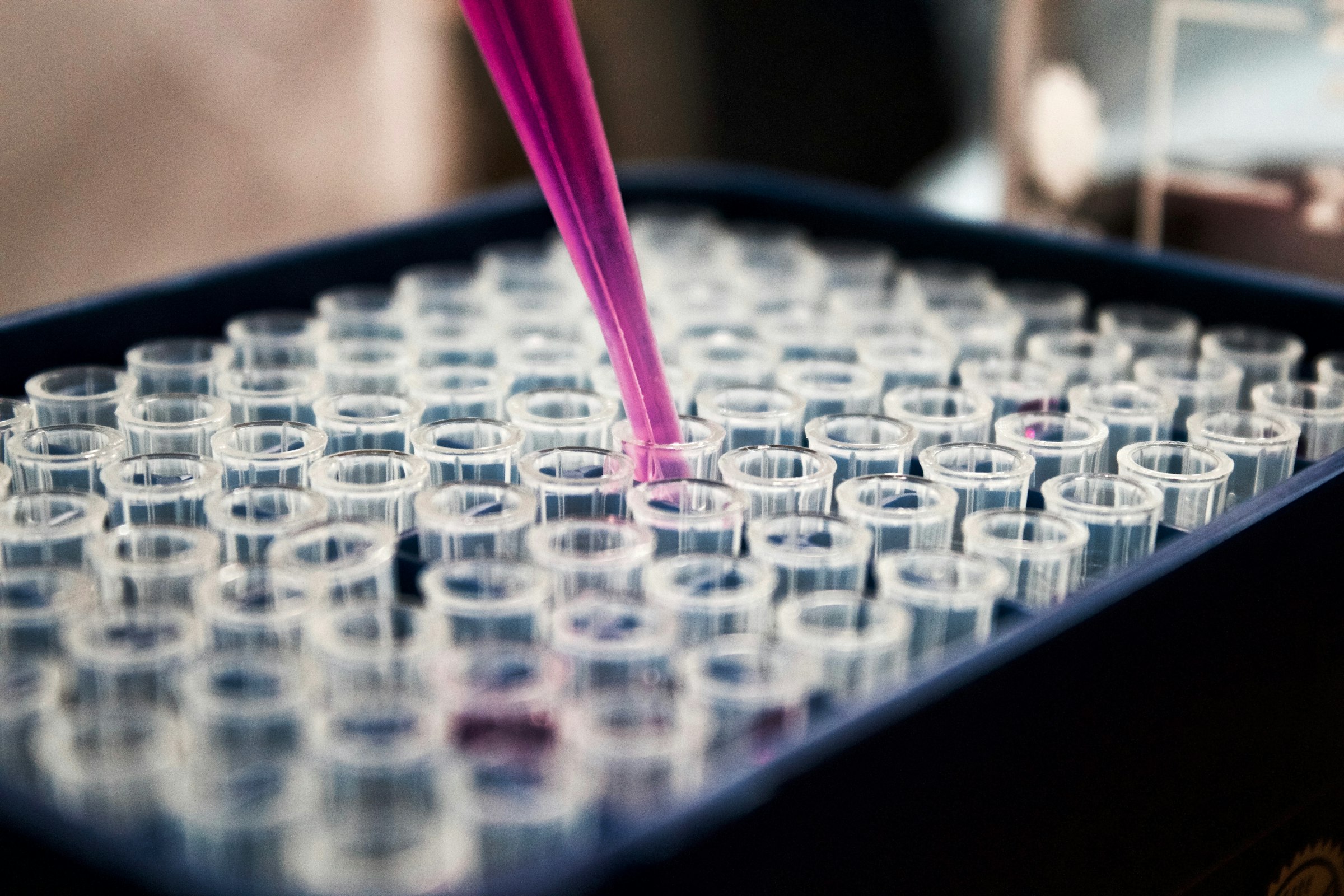
Recenzuoti moksliniai tyrimai apie streso rodiklius, kuriuos matuojame plaukuose ir seilėse. Taip pat intervencijos, kurios, kaip įrodyta, juos gerina.
Secondary analysis of an RCT measuring endocannabinoids (AEA, 1-AG/2-AG) and N-acylethanolamines (SEA, PEA, OEA) in 3-cm scalp hair segments of female PTSD inpatients across trauma-focused treatment. Higher depressive/anxiety symptoms were associated with lower hair AEA, while higher PTSD symptoms and traumatic experiences were associated with higher hair AEA and NAE levels. Hair ECs/NAEs did not predict treatment response.
Among 3,609 stage I-III breast cancer patients, 18.86% developed lymphedema, and high allostatic load at diagnosis was associated with higher odds of developing breast cancer-related lymphedema (OR 1.281, 95% CI 1.06-1.55). Each 1-unit AL increase raised lymphedema odds by 10% (OR 1.10).
Among 1,264 health workers in three Accra hospitals, burnout prevalence was 20.57% (higher in non-clinicians) and 26.27% had high allostatic load (11 biomarkers). A one-unit increase in overall burnout raised the odds of allostatic overload by 17.59 times (AOR 17.59, 95% CI 11.7-26.4), a major risk factor for noncommunicable diseases.
In 207 pregnant women assessed across three trimesters, maternal adverse childhood experiences were related to prenatal diurnal cortisol patterns using linear mixed models. More adverse childhood experiences were significantly associated with flatter diurnal cortisol slopes, consistent across gestation and independent of covariates. Findings suggest childhood adversity has a lasting influence on prenatal HPA activity.
In a controlled prospective-longitudinal design, 204 law students (97 stress group, 107 control) collected saliva at awakening, +30 and +45 minutes at six timepoints across 13 months around a state bar exam. The stress group developed a blunted CAR that reached significance during the exam and returned to baseline afterward. The CAR change was not associated with perceived stress, anxiety or depression.
Cortisol was measured in 110 extremely preterm and 29 term-born children at 6-7 years alongside a neurodevelopmental battery. After adjustment, a blunted cortisol awakening response was associated with poorer memory scores and greater inattention in the extremely preterm group only. Findings suggest links between stress reactivity and learning problems in preterm-born children.
This study followed 101 perimenopausal women for 12 weeks, relating weekly vasomotor symptoms to the cortisol awakening response measured from two saliva samples. Between-subject, more frequent, severe, and bothersome vasomotor symptoms were associated with a blunted CAR, though within-person weekly changes were not.
Longitudinal analysis of 296 employees testing whether epigenetic aging mediates links between work stress, hair glucocorticoids (cortisol, cortisone), and burnout. Work stress predicted burnout and depression, but hair glucocorticoids were not significantly associated with epigenetic age markers, and epigenetic aging did not mediate the relationship.
This longitudinal study of Danish public-sector employees calculated allostatic load from 13 physiological markers before and after a workplace reorganization. AL increased significantly across the whole cohort during reorganization, but no association was found between changes in AL and changes in psychosocial work environment or psychological distress.
Comparing 56 individuals with strictly defined burnout to 65 healthy controls, the burnout group showed significantly higher allostatic load scores (14-parameter index including hsCRP, IL-6, fibrinogen, HbA1c, HDL and blood pressure), remaining significant after adjusting for sex, age and smoking. Burnout symptoms and chronic work stress were significantly associated with higher AL.
In 100 children from a low-income, high-violence community, diurnal cortisol and alpha-amylase were assessed against anxiety, depression and posttraumatic stress symptoms. Greater anxiety predicted higher evening cortisol, while depression (with PTSS in the model) predicted lower awakening and midday cortisol reversing to higher evening cortisol. Diurnal cortisol trajectories differentiated anxiety and depression symptom profiles.
In 102 young men, four morning saliva samples were used to compute the CAR and mean cortisol increase alongside depression and loneliness measures. CAR positively correlated with depressive symptoms and loneliness, but at high loneliness the depression-CAR correlation became significantly negative. Findings highlight the role of social context in linking HPA activity to depressive symptoms.
In 127 memory-clinic patients without dementia, life-course stress was examined in relation to cognition and diurnal cortisol (total daily output, diurnal slope). Greater perceived stress was associated with a flatter diurnal cortisol slope, though stressful life events were not associated with cortisol patterns. Associations between life events and cognition appeared independent of late-life cortisol dysregulation.
In 161 patients with advanced lung cancer, the diurnal cortisol slope from saliva was examined against a psychoneurological symptom cluster of sleep disturbance, fatigue, anxiety and depression. A flatter cortisol slope was significantly associated with a more severe symptom cluster and emerged as the most critical influencing factor after adjustment. Findings link cortisol rhythm to symptom burden in advanced lung cancer.
This study of 305 patients sick-listed for low back pain measured salivary cortisol at four daily points over two days and related it to psychiatric diagnoses and symptoms. Cortisol showed no association with anxiety or depression diagnoses, but low CAR and flatter diurnal slope were associated with a somatization/lack-of-energy dimension.
This NESDA study compared the cortisol awakening curve in unaffected individuals with and without parental history of depression/anxiety, using saliva sampled at awakening and 30, 45, and 60 minutes later. Unaffected people with a diagnosed parental history showed a higher awakening cortisol curve, similar to those with the disorders, suggesting a trait vulnerability marker.
Eighty military medical students in a 5-day surgical simulation collected saliva at waking and 30 minutes later daily to measure CAR alongside cytokines. CAR was significantly blunted on the third day and recovered on the fourth, correlating with cytokines including CXCL1, IL-6, IL-10 and VEGF-A. Results suggest a temporal relationship between stress-induced cortisol dynamics and immune regulation.
A non-randomised controlled trial evaluated an 8-week healthy-lifestyle intervention on CAR parameters (cortisol at 0, 30, 45, 60 min post-awakening, AUC) and perceived stress in 97 adults. Most CAR parameters and perceived stress decreased in both intervention and control groups, with no between-group difference. Methodological challenges limited the utility of CAR in this lifestyle context.
Mothers' prepregnancy PTSD, depression and stress were examined against children's diurnal cortisol slopes and CAR, with children providing three daily saliva samples over three days at two early-childhood timepoints. Maternal prepregnancy PTSD symptoms were significantly associated with flatter child diurnal slopes at ages 4 and 5, but not with child CAR, while depression and stress were not predictive. Findings suggest maternal preconception PTSD contributes to child physiology.
Eighty-six humanitarian aid workers provided saliva at awakening and 30 minutes later before, early during, and 3-6 months post-deployment. CAR and awakening cortisol significantly decreased over deployment, with the extent moderated by previous and recent trauma exposure. Steeper awakening cortisol decline was associated with higher anxiety and PTSD symptoms across assessments.
Using CHARLS data, this study examined whether allostatic load mediates the association between adverse childhood experiences (ACEs) and cognitive decline trajectories in older Chinese adults. Increased ACEs were associated with less favorable cognitive decline classes, but AL was not associated with the trajectories and did not mediate the ACE-cognition relationship.
Using two CHARLS waves, this study used structural equation modeling to examine interrelationships of hearing function, allostatic load (14 biomarkers), and cognition. Among adults 60+, hearing function was associated with AL (β=0.02, p<0.001) and cognitive function, and AL was significantly associated with decreased cognitive scores (β=-0.4, p<0.001).
This longitudinal study analyzed proximal 3-cm hair cortisol and anthropometrics in 40 preschool children with obesity from Latino farmworker families over ~8 months. Increases in hair cortisol over time had a small but significant association with decreased adiposity.
Longitudinal study of 88 pregnant women in Spain assessing perceived stress, psychopathology, and hair cortisol across the third trimester by type of delivery. Differences between eutocic and instrumental delivery groups appeared in psychopathology subscales, but no significant differences were found for hair cortisol.
In 99 metastatic breast cancer patients, posttraumatic growth was examined in relation to diurnal salivary cortisol slope. Greater posttraumatic growth was significantly correlated with a steeper (healthier) diurnal cortisol slope. Results link positive psychological change to healthier endocrine functioning in cancer patients.
Large open-label RCT (ReSource Project) of 3- to 9-month contemplative mental training modules versus retest control in healthy adults, with hair cortisol and cortisone as primary outcomes. Hair cortisol and cortisone consistently declined over the first 3-6 months of training across cohorts, with effects growing with practice frequency and independent of training content. Meditation-based mental training reduced long-term hair glucocorticoid levels.
Crossover dietary intervention comparing restricted (10 mmol/d) versus liberalized (200 mmol/d) sodium intake in adults, measuring 24-h urinary free cortisol and morning serum cortisol. Liberalized sodium raised 24-h urinary free cortisol (178 vs 121 nmol/d) in 84% of participants while modestly lowering serum cortisol. Lower dietary sodium reduced urinary free cortisol excretion.
Double-blind RCT in rural Nepalese pregnant women comparing vitamin A alone versus added folic acid, iron, zinc, or multiple micronutrients, measuring third-trimester serum cortisol and erythropoietin. The multiple micronutrient supplement group had cortisol 1.3 ug/dL lower than the control group. Micronutrient supplementation modestly reduced maternal cortisol.
In 111 uveal melanoma patients, high allostatic load score had a significant relationship with extraocular tumor extension (p=0.015), and mean blood glucose differed across tumor size groups (p=0.029). Higher AL scores also trended toward smaller tumor size.
Analyzing genome-wide DNA methylation in 1,938 blood samples from 982 SAPALDIA participants, residential greenness was associated with 163 (green30) and 56 (green500) differentially methylated regions. These methylation profiles were enriched for allergy, physical activity and allostatic-load-relevant biomarkers, suggesting greenness may affect health via allergic sensitization and stress coping.
Twelve participants completed evening exercise or rest on two occasions, with saliva and blood cortisol assessed on awakening the next morning. Both salivary and serum cortisol responses to awakening were significantly lower the morning after evening exercise. The CAR may serve as a biomarker for monitoring responses to exercise training.
Twenty-two healthy adults slept three nights in a laboratory, with saliva at awakening and +15, +30, +45, +60 minutes used to derive CAR indices after anticipated cognitive demand was either experienced or not. There were no differences between demand and no-demand groups on any CAR measure or subsequent sleep. Findings support the CAR as a marker of anticipation rather than recovery.
Forty participants were randomised to total sleep deprivation or normal sleep, with salivary cortisol assessed in the morning. The sleep condition showed a traditional CAR while the sleep-deprivation condition showed no morning cortisol increase. Results suggest any circadian process contributing to the CAR may only activate when awakening occurs or is anticipated.
Two persons with poststroke aphasia collected saliva at waking, 30 and 60 minutes post-awakening across 12 days over four weeks to characterise CAR variability. The CAR was consistent across days and weeks with little intraindividual variability, and associations with self-reported stress, emotion and sleep did not reach significance. The pilot supports feasibility of at-home CAR sampling in aphasia.
Using structural equation modeling in 1,502 Puerto Rican adults from the Boston Puerto Rican Health Study, greater allostatic load predicted lower cognition in the overall sample and among individuals with darker skin tones. The stress-cognition relationship differed across skin tone groups, indicating a modifying role of intersecting ethnic and skin-tone identities.
Using MIDUS data (n=1541), this study tested whether allostatic load mediates the relationship between early life adversity and cognition. AL significantly mediated associations between early life adversity and global cognition (ß=-0.01, 95%CI [-0.01,-0.001]) and executive function, but not episodic memory.
This population-based study (N=1,872, English Longitudinal Study of Ageing) tested whether perceived weight discrimination mediates the relationship between obesity and hair cortisol. Obesity, BMI and perceived weight discrimination were all positively related to hair cortisol, and weight discrimination significantly mediated the obesity-cortisol association (19%).
This cross-sectional occupational cohort study (N=1,258) measured cortisol and cortisone in the first 3 cm of scalp hair (LC-MS/MS) and examined associations with metabolic syndrome (MetS) and cardiometabolic parameters. Higher hair cortisol was associated with greater MetS prevalence and positive associations with BMI, waist-hip ratio, waist circumference and HbA1c.
Prospective cohort measuring hair endocannabinoids (AEA, 1-AG/2-AG, NAEs) in 263 pregnant women before their birth date, with childbirth-related PTSD symptoms assessed two months postpartum. More lifetime trauma events and lower hair AEA during pregnancy were associated with childbirth-related PTSD symptoms. The effect of lower hair AEA was stronger with a negative subjective birth experience.
Comparative study of 99 fibromyalgia patients and 50 pain-free controls assessing perceived stress, salivary cortisol, and hair cortisol as chronic stress indicators. Fibromyalgia patients reported higher perceived stress correlated with symptom burden, but there were no significant differences in hair or salivary cortisol between groups.
In 167 schizophrenia patients and 72 healthy controls, patients had significantly higher allostatic load despite being normotensive and normoweight, driven by lower HDL, higher heart rate, waist-hip ratio, HbA1c, hsCRP and cortisol. AL was inversely correlated with cortical thickness and cognition, and cortical thinning mediated the effect of AL on cognitive deficits.
Case-control study comparing hair cortisol concentrations in 181 newly diagnosed bipolar disorder patients, 42 unaffected first-degree relatives, and 101 healthy individuals. HCC was 35.1% higher in patients than healthy individuals, while relatives did not differ from controls.
Study comparing perceived stress and hair cortisol concentration (HCC) across bipolar disorder (BD), schizophrenia (SCZ), and controls. HCC was higher in BD patients than SCZ patients and controls, and higher in acute inpatients than remitted outpatients, suggesting differential HPA involvement across disorders.
Crossover trial of 5 days neutral versus 5 days deficient (-55%) energy intake in healthy young women, with frequent sampling of thyroid hormones, GH, and cortisol. Short-term moderate energy restriction changed thyroid hormones (lower TT3/TSH, higher rT3) but produced no significant change in cortisol. Moderate short-term dieting did not raise or lower cortisol.
In randomized crossover trials, untrained men cycled at varying intensities and durations while salivary cortisol was measured. Salivary cortisol increased significantly (+107.6%) immediately after high-intensity (75% VO2max) exercise, whereas duration alone did not change cortisol. Intensity, not duration, drove the acute cortisol rise.
RCT of postoperative acupuncture versus standard care in total knee arthroplasty patients, measuring analgesic consumption and serum cortisol. On postoperative day 2, cortisol was significantly lower in the acupuncture group (296 vs 400 nmol/L, p<0.05), with a nonsignificant trend toward lower analgesic use.
Untrained men were randomized to matcha green tea or placebo alongside 8-12 weeks of resistance training. Salivary cortisol was lower in the matcha group than placebo, alongside greater muscle mass gain and reduced fatigue. Matcha appeared to modulate the stress response during training adaptation.
Healthcare students were randomized to a 3-month active meditation program (n=15) or control (n=7), with hair cortisol measured before and after. Treated participants showed a decrease of ~28.5 pg/mg in hair cortisol, whereas controls increased by ~168.9 pg/mg.
Resistance-trained women underwent nine nights of moderate sleep restriction versus normal sleep in a randomized crossover design, with awakening salivary cortisol measured. Sleep restriction increased salivary cortisol awakening AUC by 42% and raised training distress and perceived exertion. Restricted sleep elevated the cortisol awakening response.
Participants were randomized to 8 weeks of free-weight or machine resistance training, with salivary free cortisol measured around workouts. There was no difference between groups in the free cortisol response to acute resistance exercise, though free testosterone rose more with free weights in men. Cortisol results were null between modalities.
Preterm infants received daily assisted physical exercise, with salivary cortisol and pain scores measured as stress markers. Salivary cortisol was lower at 30 min post-exercise versus baseline and unchanged at other timepoints, though pain scores rose transiently during exercise. Assisted exercise did not increase overall cortisol-based stress.
Adolescents completed both resistance training and HIIT protocols matched for time in a randomized crossover design, with salivary cortisol measured pre-post. Both protocols produced very large increases in salivary cortisol and blood lactate, with no between-protocol difference in cortisol. Both exercise modes acutely raised salivary cortisol.
Elite rugby players completed four exercise protocols in random order, with salivary cortisol and testosterone measured before and after. Salivary cortisol declined and the testosterone-to-cortisol ratio increased significantly after both resistance-training protocols. Different protocols produced distinct, individualized cortisol responses.
Sedentary adults with Down syndrome were randomized to 12 weeks of circuit resistance training or control, with salivary cortisol, testosterone and IgA measured. Resistance training significantly increased salivary testosterone and IgA and improved work-task performance, with no significant change reported in the controls. Salivary cortisol was measured as part of the hormonal profile.
Crossover exercise trial in trained men comparing 30 min at 40, 60, and 80% VO2max versus rest, measuring circulating cortisol before and after. Moderate-to-high intensity (60-80%) significantly raised cortisol (+40% and +83%), whereas low-intensity (40%) exercise actually lowered circulating cortisol after correction for plasma volume and circadian factors. Establishes an intensity threshold below which exercise reduces rather than raises cortisol.
Study measuring cortisol and cortisone in paired maternal and infant hair samples to identify perinatal determinants of neonatal hair glucocorticoids. Neonatal hair cortisol increased with fetal maturity, was positively associated with maternal hair cortisol, negatively with birthweight, and lower without maternal labour.
In 1,083 Berlin Aging Study II participants (mean age 68.3, ~7.4-year follow-up), 16 biological aging markers including an Allostatic Load Index were compared against age-associated outcomes. The Allostatic Load Index and DunedinPACE showed the strongest and most consistent associations, individually improving prediction of incident metabolic syndrome, high cardiovascular risk and incident frailty by up to 24 percentage points.
In a population-based twin sample, diurnal cortisol was measured at age 14 at awakening, +30 min, afternoon and evening over four days, with hair cortisol at 19. Youth exposed to lower family SES in childhood and mid-adolescence had a flatter diurnal slope and higher hair cortisol than those with upward mobility. Social support moderated SES-cortisol associations, with higher-SES youth showing higher CAR and awakening cortisol when reporting more support.
In 282 Mexican-origin youth, daily diary and diurnal cortisol data over four days examined cortisol responses to discrimination and links to mental and sleep health. Adolescents experiencing more discrimination exhibited steeper diurnal cortisol slopes and lower evening cortisol, yet these responses tended to be associated with poorer mental and sleep health. Findings highlight an adaptation cost of short-term cortisol responses to discrimination.
In a three-wave study of 350 adolescents, salivary cortisol collected across three days per wave yielded diurnal slope, AUC and CAR alongside actigraphy sleep. Diurnal cortisol slope statistically mediated the association between parental education and sleep duration, but not the income-to-needs association. Parental education and family resources had distinct impacts on sleep and HPA-axis function.
In 122 adolescent girls, saliva was collected three times daily over three days with daily rumination reports to examine day-to-day covariation and trait rumination effects on diurnal cortisol. Greater daily rumination related to lower next-morning CAR, though not after accounting for wake time and compliance, while trait rumination was associated with lower waking cortisol and flatter diurnal slopes. These patterns may help explain rumination's link to psychopathology.
Boston Puerto Rican Health Study contrasted five AL operationalizations built from 21 physiological parameters and tested their 5-year associations with diabetes, CVD, disability, and cognitive impairment. Clinical-cutoff-based scores were compared against z-score approaches.
Study measuring hair cortisol concentration in 307 autistic and 282 non-autistic children from the Australian Autism Biobank. Autism diagnosis was not a significant predictor of hair cortisol; instead, area of residence, younger age, and lower family income were associated with higher hair cortisol.
Network analysis of hair cortisol and DHEA with individual PTSD symptoms in 115 Syrian refugees. Traumatic events and post-displacement stressors were not associated with cortisol or DHEA, but both hormones were differentially related to specific PTSD symptom clusters.
Study of 140 preschool-aged children and their parents examining associations between children's hair cortisol concentration and parenting behavior, psychopathology, and stress. Children's HCC was significantly associated with fathers' authoritarian parenting and physical coercion, but not with parental anxiety, depression, or perceived stress.
Cross-sectional study of 234 healthcare workers during COVID-19 measuring hair cortisol as a stress biomarker alongside perceived stress and burnout. 40% had hair cortisol outside the healthy range; hair cortisol correlated with perceived stress and emotional exhaustion, and was higher in those with burnout.
Study of 101 maternity providers in western Kenya assessing self-reported stress and burnout alongside heart rate variability and hair cortisol as physiologic stress measures. Most providers reported moderate-to-high stress and burnout, but no association between hair cortisol and any predictor was statistically significant.
Study of 228 adults testing whether psychological resilience moderates the indirect association of perceived stress with metabolic syndrome severity via hair cortisol concentration (first 3 cm of scalp-near hair). Hair cortisol mediated the stress-MetS severity association only in individuals with low resilience.
This study compared 47 healthy-weight and 56 overweight adults on allostatic load and core executive functions. Overweight subjects had higher AL, and the AL index was negatively related to inhibitory control, with the link to cognitive flexibility more marked in the overweight group.
This study of 984 adolescents (460 with hair samples) examined associations between aggression and salivary testosterone, hair testosterone and hair cortisol. Hair testosterone significantly predicted increased aggression, particularly at low levels of hair cortisol (Testosterone x Cortisol interaction), whereas salivary testosterone was not associated.
This longitudinal study examined diurnal cortisol across the pubertal transition in autistic and neurotypical youth. Autistic youth showed a shallower diurnal slope and elevated evening cortisol relative to neurotypical peers, within a context of higher and flatter rhythms based on age and puberty. Females across groups showed higher cortisol, flatter slopes and higher evening cortisol than males.
Sixteen regularly cycling young women collected saliva at 0, 15, 30 and 60 minutes post-awakening daily across a full menstrual cycle, alongside daily symptom records. CAR was weakly negatively correlated with symptom severity but strongly positively correlated with oestradiol and progesterone. CAR showed high between-subject but low within-subject variability, suggesting it is a relatively stable trait.
In infants and 3.5-year-old children, diurnal salivary cortisol and hair cortisol were assessed against multidimensional socioeconomic status. Household chaos predicted bedtime salivary cortisol for both infants and children, and food insecurity was associated with a flatter diurnal cortisol slope in 3.5-year-olds. Results highlight the value of SES measures indexing unpredictable and unsafe contexts.
Twenty-three healthy participants assessed CAR on two days via saliva at awakening, +30 and +45 minutes, with daily-life stress measured six times daily. Higher CAR increases were associated with attenuated distress responses to same-day daily-life stress on both days. No association was found between stress anticipation and CAR, suggesting the CAR aids same-day stress coping.
Thirty-one sailors provided cortisol response to awakening samples onshore and at sea during a 6-week voyage. Novice sailors' awakening cortisol response was elevated at sea and especially on a workday onshore, with different profiles from professional crew over the voyage. Awakening responses were not affected by sleep variables, supporting the measure as a marker of HPA adaptation to naturalistic stress.
This paper combined a longitudinal cohort of 168 neonates with a meta-analysis of 9 studies examining neonatal hair cortisol (fetal third-trimester cortisol) and birth outcomes. Higher neonatal hair cortisol was associated with longer gestation and higher birthweight, with sex not moderating associations.
Hair endocannabinoid and N-acylethanolamine levels were measured by LC-MS/MS in 760 adults aged 21-86 and examined against sociodemographic and psychological variables. Gender, age, BMI, waist circumference, medication and drug use, and hair washing frequency were identified as potential confounders, while no association was seen with perceived stress.
Hair concentrations of anandamide and related compounds were measured in acute anorexia nervosa patients, long-term recovered patients, and healthy controls in a combined cross-sectional and longitudinal design. Anandamide and endocannabinoid-related compounds were elevated in acute AN and decreased with short-term weight restoration.
Sedentary older adults completed a 6-month supervised aerobic exercise intervention with salivary cortisol assessed for CAR and daily AUC. The intervention increased the cortisol awakening response, with no change in daily AUC, and larger CAR increases were associated with greater reductions in perceived stress. Aerobic exercise raised (normalized) a blunted CAR.
Study of 45 pregnant Latina women investigating associations between prenatal stress measures and hair cortisol concentrations in the third trimester. Chronic stress (neighborhood, financial, relationship strain, discrimination) was significantly associated with higher hair cortisol, whereas perceived stress and pregnancy anxiety were not.
This study assessed hair cortisol concentration (HCC, 3-cm segment) in 41 teachers alongside videotaped classroom stressors and resources over a year. Classroom disruptions and student aggression were positively correlated with HCC, while good teacher-student relationships and classroom management were negatively correlated, with the relationship buffering stress effects.
Using the French CONSTANCES cohort (47,680 women and 45,035 men), adverse employment histories between ages 25 and 45 were related to higher allostatic load (10 biomarkers) among those aged 45+. Continued disadvantaged occupational position, repeated unemployment and years out of work were most strongly associated with higher AL.
Cross-sectional study of 42 refugee mother-child dyads from Syria/Iraq examining hair cortisol concentrations (HCC), post-traumatic stress symptoms, and maternal affection. The association between mothers' and children's HCC depended on their HCC difference, which significantly predicted children's PTSS.
Study measuring endocannabinoids (AEA, 2-AG), NAEs (PEA, OEA, SEA), and cortisone in up to 6-cm hair strands of 178 health care workers, enabling retrospective quantification across the early COVID-19 pandemic. Hair AEA, PEA, OEA, and SEA decreased over the pandemic while 2-AG increased and was higher in nurses and administrators. Higher PEA was associated with higher resilience and lower anxiety.
Longitudinal study measuring AEA, 2-AG/1-AG, SEA, OEA, and PEA in 3-cm hair strands from mothers (n=170) and children (n=150) in late pregnancy and 10-12 months postpartum. Maternal 2-AG/1-AG increased and SEA decreased over time; children's 2-AG/1-AG increased while SEA, OEA, PEA decreased. Maternal childhood maltreatment was associated with lower late-pregnancy SEA but no consistent effects on children's hair ECs.
Hair endocannabinoid and N-acylethanolamine levels were measured over 2.5 years with six-month intervals in 100 female participants. Strong test-retest associations were found, supporting hair endocannabinoids as stable trait biomarkers rather than rapidly changing state markers.
Using longitudinal data of initially employed German jobseekers, this study examined whether unemployment changes hair cortisol concentration (HCC). Insecure employment was associated with highest HCC, and medium-term unemployment raised HCC when re-employment expectations were low, indicating the stress system is sensitive to uncertainty rather than unemployment itself.
Among 7,415 All of Us participants aged 18-65, high perceived stress was associated with elevated odds of high allostatic load in age- and sex-adjusted models (OR 2.18, 95% CI 1.78-2.66), remaining significant after adjusting for social determinants of health (OR 1.29, 95% CI 1.01-1.65). Younger, Medicaid-receiving and Hispanic participants had higher stress prevalence.
Among 5,331 NHANES participants, 29% reported trouble sleeping, and higher allostatic load was associated with increased odds of trouble sleeping (empirical ALS OR 1.13, 95% CI 1.07-1.18; clinical ALS OR 1.08). The association was consistent across genders.
Using 1,874 preadolescents (aged 12-13) from the Longitudinal Study of Australian Children, exploratory and confirmatory factor analyses of 12 allostatic load biomarkers revealed a three-factor structure with 8 variables (CFI=0.94, RMSEA=0.099, SRMR=0.052). Neighborhood disadvantage, pubertal stage, sex, and medication use differentially predicted the AL factors, supporting a multidimensional measurement approach.
Using 2016 Health and Retirement Study data (N=3,866), college degree (b=-0.32), higher income (b=-0.06) and greater wealth (b=-0.11) were associated with reduced allostatic load, while everyday discrimination (b=0.07) was associated with higher AL. These factors collectively accounted for about 18% of Black-White AL disparities.
Using MIDUS Biomarker Project data (N=2,096), the association between cumulative socioeconomic status and allostatic load was weakly mediated by positive life experiences, which were associated with AL only at lower socioeconomic levels. Positive experiences may play a stronger physiological-health role among those of lower socioeconomic advantage.
Among 1,412 NHANES participants aged 50+, hearing loss showed only a modest association with allostatic load score among non-hearing-aid users (ages 50-69: beta 0.19 per 10 dB HL; 70+: beta 0.10), not clearly reflected in sensitivity analyses. The association was stronger among men.
Among 4,177 Black women in NHANES 1999-2018, those with a college degree or higher had the lowest prevalence of high allostatic load (31.8%) and lowest mean AL scores. College graduates had a 14.3% lower prevalence of high AL (PR 0.857, 95% CI 0.839-0.876) than those with lower educational attainment.
Prospective cohort quantifying hair EC (AEA, 1-AG/2-AG) and NAE (SEA, PEA, OEA) levels in mothers (n=336), partners (n=225), and children (n=319) from pregnancy to two years postpartum. Hair ECs/NAEs showed poor multiple-test consistency and variable stability, with more stability in fathers than mothers. Small-to-medium associations were found within couples and parent-child dyads.
In 242 healthy participants (naturally cycling women, oral contraceptive users, men), the CAR was tested as a mediator of group differences in sleep quality and disruptions. Oral contraceptive users reported marginally poorer sleep, not mediated by CAR. A lower CAR was associated with more sleep disruptions in contraceptive users and poorer sleep quality in men.
In 116 college-aged adults, six salivary cortisol samples per day over five days were used to compute the diurnal cortisol slope in relation to stressor-focused and brooding rumination by gender. Women with higher stressor-focused rumination showed flatter diurnal slopes, whereas men showed the opposite pattern, and brooding rumination showed no association. Rumination-cortisol relationships in daily life differed by gender.
In 203 older African American adults, three measures of discrimination were examined in relation to diurnal cortisol secretion. Higher lifetime discrimination was associated with morning hypocortisolism and flatter diurnal cortisol slopes, and prior-day everyday discrimination was associated with a blunted next-day CAR. Findings underline discrimination's role in modulating daily cortisol dynamics in older adults.
In 293 Chinese adolescents, diurnal cortisol patterns were examined in relation to parent-child separation from migrant parents. Left-behind adolescents separated at earlier ages had more blunted diurnal cortisol slopes, and left-behind girls with more adverse separation showed smaller waking cortisol and blunted slopes, effects not seen in boys. Findings show sex-moderated links between separation timing and adolescent diurnal cortisol.
Two cohorts of Latinx and Black first-year college students (fall 2019 vs fall 2020) provided morning saliva samples to assess CAR and reported university belonging. Students transitioning during the COVID-19 pandemic exhibited a flatter CAR and lower belonging than pre-pandemic peers. Belonging was explored as a mediator of the pandemic-CAR relationship.


